Assess
Use scientific research, local knowledge, and partner consultation to understand ecosystem condition, social context, and conservation risk.
MRPO
Marine Conservation NGO
Program Design
MRPO designs work around the places, people, and pressures that shape Cambodia's marine ecosystems: habitat condition, community knowledge, partner roles, field safety, financing, monitoring, and public accountability.
Overall Approach
MRPO starts with the conservation problem, identifies who needs to be involved, then builds implementation around field delivery, monitoring, safeguards, communications, and continuity after the first activity ends.
Program RecordsDesign Framework
Use scientific research, local knowledge, and partner consultation to understand ecosystem condition, social context, and conservation risk.
Define objectives, target areas, activities, safeguards, finance needs, monitoring indicators, and GEDSI-inclusive participation pathways.
Deliver practical activities with communities and stakeholders, including restoration, protection, monitoring, training, and campaigns.
Track results, document lessons, improve methods, and strengthen institutional systems for future conservation programming.
Current Program Work
MRPO's current program records focus on field activities with a clear conservation purpose: habitat recovery, ghost gear response, reef monitoring, partner missions, and public milestones that strengthen Cambodia's coastal and marine protection work.
Community-based mangrove restoration and ecotourism
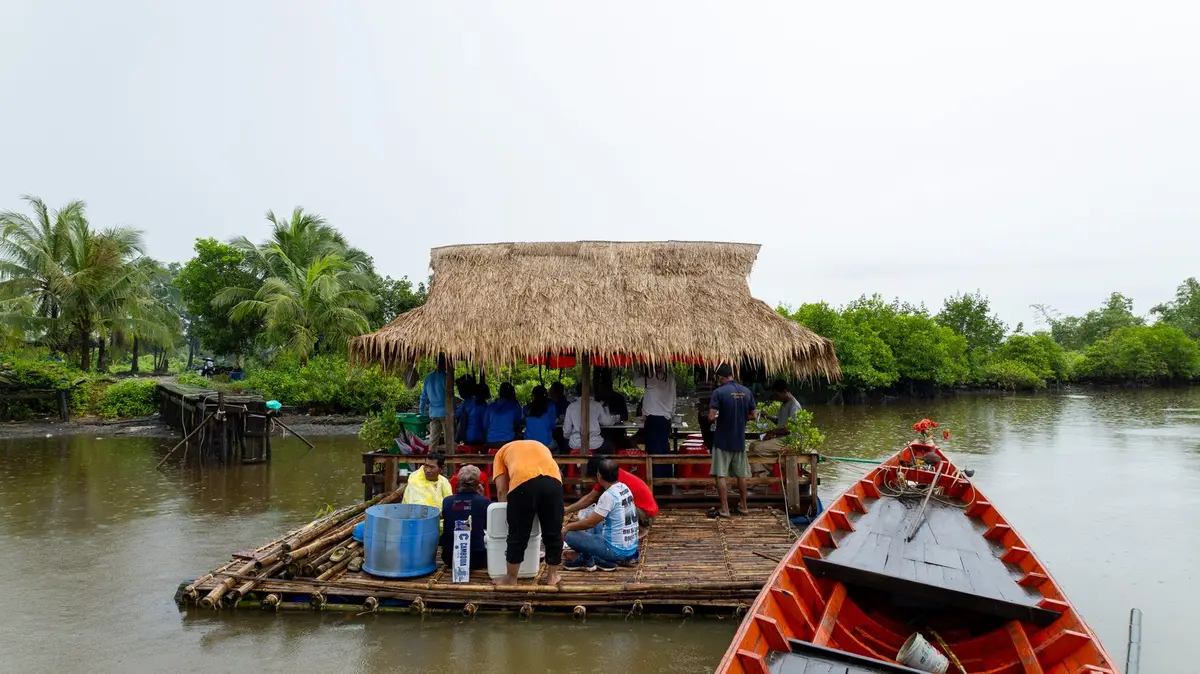
MRPO is supporting the Community-Based Mangrove Restoration and Ecotourism project with ThinkAqua, linking mangrove recovery with local stewardship, education, and community benefit.
Partners: ThinkAqua and community partners
To restore coastal mangrove habitats while helping communities participate in conservation activities that can strengthen local pride, environmental awareness, and nature-based livelihood opportunities.
Healthier mangroves can improve nursery habitat for fish and marine life, reduce coastal vulnerability, support biodiversity, and create a visible model for community-led coastal restoration in Cambodia.
Coastal communities, fishers, youth, local authorities, visitors, conservation partners, and the wider marine ecosystems connected to mangrove habitats.
Removing abandoned fishing gear from sensitive marine areas
MRPO organises and supports campaigns to recover abandoned fishing gear, including ghost nets, from the sea so they no longer damage reefs, trap marine wildlife, or threaten safe fishing and navigation.
Partners: MRPO field teams, dive partners, coastal stakeholders
To reduce the long-term harm caused by lost fishing gear in Cambodia's coastal waters and protect marine species, reef habitats, and community fishing areas from preventable damage.
Ghost gear recovery helps protect coral reefs, seagrass areas, turtles, fish, invertebrates, and other marine life while producing clear, practical conservation results that communities and partners can see.
Marine wildlife, reef ecosystems, fishing communities, responsible tourism operators, local authorities, divers, and coastal residents who rely on cleaner, safer marine environments.
Evidence for healthier reefs and better marine management
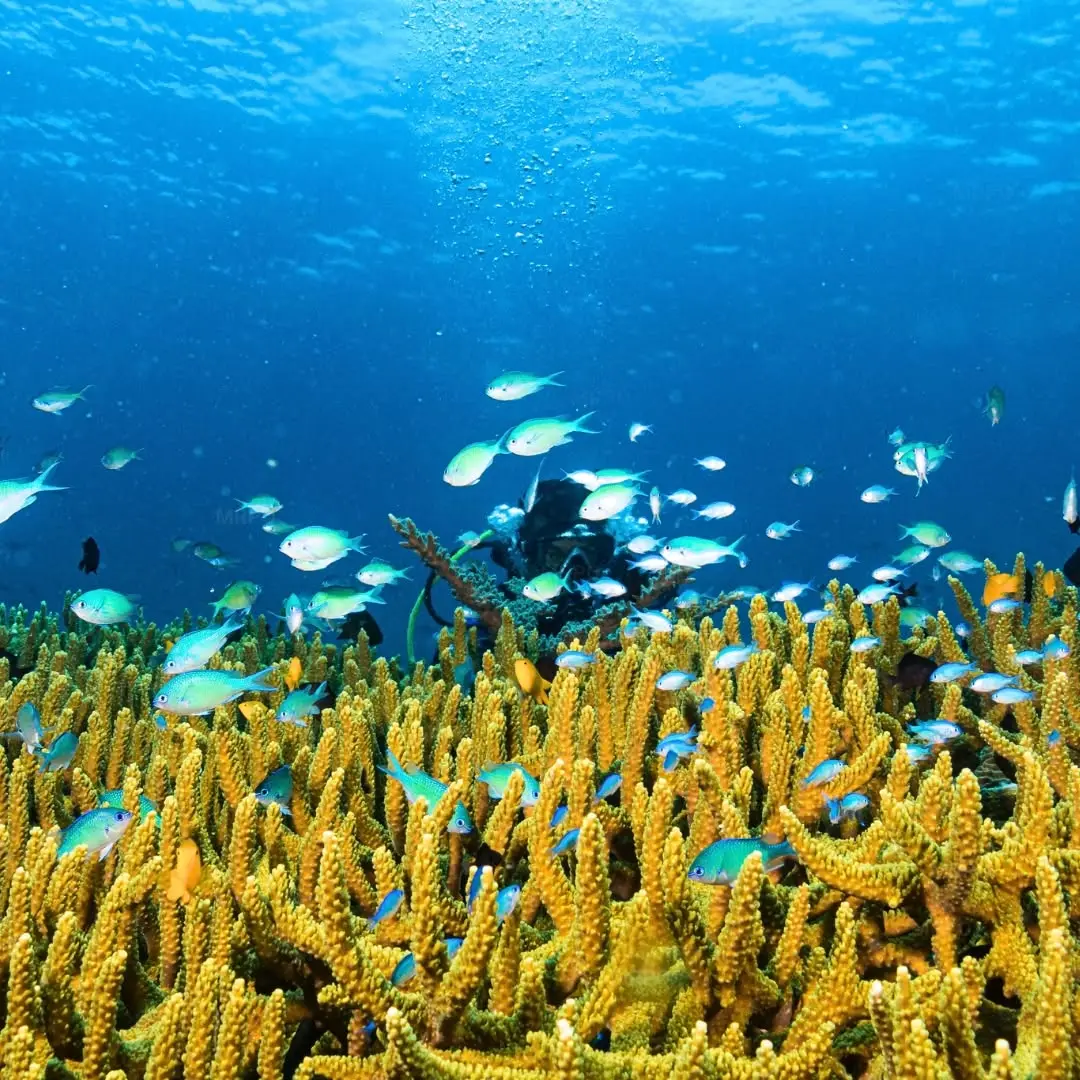
MRPO is working with partners to develop coral reef monitoring that can support marine protected area management, reef health tracking, and stronger conservation decisions.
Partners: Government, research, and conservation partners
To help build reliable information on reef condition, biodiversity, pressures, and recovery needs so conservation actions are guided by field evidence rather than assumptions.
Better reef monitoring can support early detection of stress, inform management responses, guide restoration priorities, and strengthen Cambodia's ability to protect coral reef ecosystems over time.
Government stakeholders, researchers, marine protected area managers, conservation NGOs, coastal communities, fishers, students, and future generations who depend on resilient marine ecosystems.
Submerged Ecosystems Recovery Mission
A professionally managed marine conservation field mission focused on ghost gear recovery, reef protection, marine species conservation, and community engagement across the Koh Rong and Koh Sdach archipelagos.
Partners: MRPO, trained divers, partners, supporters, and coastal stakeholders
To remove harmful abandoned fishing gear from sensitive marine environments while maintaining reef-safe operations, diver safety, and strong conservation documentation.
The mission supports safer reef habitats, stronger public awareness, partner coordination, and field evidence that can inform future marine protection work in Cambodia.
Marine wildlife, reef habitats, responsible fishers, island communities, conservation partners, government stakeholders, and supporters of Cambodia's coastal ecosystems.
Publicly reported coral health and reef monitoring collaboration
MRPO was publicly named among partners supporting coral spawning survey and reef monitoring work in Cambodia in March 2026.
Partners: Cambodian ministries, Fauna & Flora, Song Saa Foundation, MRPO, and other partners
To contribute to wider partner understanding of coral health, reef condition, and biodiversity signals in Cambodian waters.
Publicly visible reef monitoring collaboration helps strengthen scientific attention, partner coordination, and long-term evidence for coral ecosystem protection.
Government stakeholders, researchers, conservation NGOs, marine protected area managers, coastal communities, and future marine conservation planning.
MRPO works across a connected coastal seascape rather than a single isolated site. This allows field response, monitoring, restoration, community coordination, and partner support to follow the way marine threats actually move through open waters, islands, habitats, and fishing routes.
Program planning focuses on habitats that support fisheries, shoreline resilience, marine wildlife, local livelihoods, and long-term ecosystem recovery.
MRPO designs activities with local participation in mind, so conservation work can support stewardship, awareness, responsible resource use, and practical community benefit.
Program Partnerships