Why It Matters
Healthy seas support biodiversity, food security, livelihoods, and climate resilience.
Coastal ecosystems are not separate pieces. Reefs, mangroves, seagrass beds, shallow seas, fishing grounds, and island communities depend on each other. Damage in one place can affect marine life, fisheries, tourism value, shoreline protection, and families who rely on healthy waters.
Marine threats also move across boundaries. Illegal and unsustainable fishing, abandoned fishing gear, pollution, habitat damage, and climate stress can spread through connected waters. Conservation therefore needs field response, monitoring, restoration, community participation, and partner coordination working together.
MRPO Contribution
Practical protection needs local knowledge, field evidence, and trusted coordination.
MRPO supports marine conservation through focused field programs: ghost gear recovery, mangrove restoration, reef monitoring, community engagement, partner coordination, and systems that help conservation work be documented and improved over time.
Programs and MilestonesConnected Ecosystems
What marine conservation in Cambodia has to protect.
Search engines and partners need the same thing: a clear explanation of the ecosystems, places, threats, and evidence behind MRPO's work.
Coral Reefs
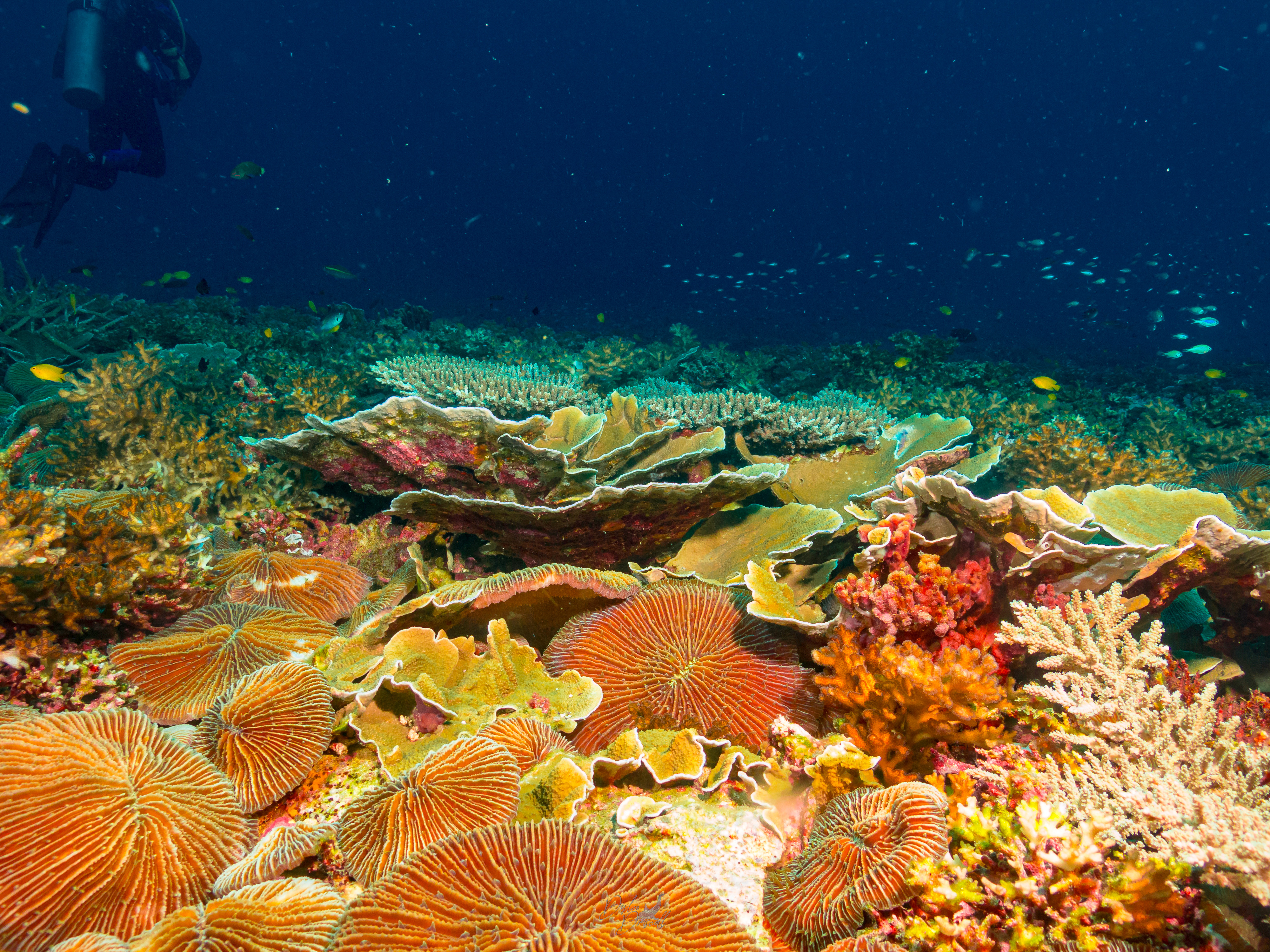
Reefs support fisheries, biodiversity, tourism quality, and early warning signs for ecosystem stress.
Coral reef monitoringMangroves
Mangroves protect shorelines, store carbon, create fish nursery habitat, and support community stewardship.
Mangrove restorationSeagrass and Shallow Seas
Seagrass and shallow-water habitats connect reefs, fisheries, species movement, and coastal resilience.
Where MRPO worksMarine Wildlife
Turtles, seahorses, giant clams, reef fish, invertebrates, and other species need cleaner and safer habitats.
Field mediaSouthwest Cambodia, from island systems to coastal communities
MRPO focuses on the wider coastal seascape around Koh Rong, Koh Sdach, Koh Tang, Koh Prins, nearby islands, fishing routes, reef systems, mangrove-linked habitats, and surrounding coastal communities.
Overfishing, ghost gear, habitat loss, pollution, and climate stress
These pressures affect ecosystems and people together. MRPO's programs are designed around practical problems that can be observed, documented, and addressed with partners.
Restoration, monitoring, recovery work, and community stewardship
The work is intentionally field-based: restore habitats, remove harmful gear, strengthen evidence, support responsible marine use, and communicate results clearly.
Threats and Search Intent
The issues people look for when they search Cambodia marine conservation.
Evidence and Accountability
How MRPO turns conservation claims into a public record.
Field Recovery
MRPO documents practical missions such as ghost gear recovery, habitat restoration, and partner-supported field activities.
Monitoring and Learning
Monitoring records help connect site conditions, observations, photos, coordinates, and follow-up needs over time.
Public Accountability
News, events, gallery records, and program pages create a clearer public trail of what happened and why it matters.
Topic Hubs
Focused MRPO pages for the main conservation topics.
These pages support the broader marine conservation page with more specific explanations, images, and internal links.
Ghost Gear Recovery Cambodia
How MRPO helps remove abandoned fishing gear from sensitive marine areas.
Coral Reef Monitoring Cambodia
How reef observations can support better protection and management decisions.
Mangrove Restoration Cambodia
How mangrove recovery connects habitat, fisheries, communities, and resilience.
Marine Conservation Programs
MRPO program records, activities, milestones, partners, and implementation work.
Public References
MRPO's work is connected to wider public conservation activity.
External references and partner mentions help users and search engines understand MRPO as a real organization working inside Cambodia's marine conservation landscape.
Xinhua, March 2026
Coral spawning monitoring in Cambodian waters
MRPO was named among partners supporting coral spawning survey and reef monitoring work with Cambodian ministries, Fauna & Flora, and Song Saa Foundation.
ReferenceThinkAqua public profile, 2026
COMET mangrove restoration and ecotourism
ThinkAqua described MRPO participation in the Community-led Mangrove Restoration and Eco-Tourism project in Preah Sihanouk, with training and community project development.
ReferenceAgence Kampuchea Presse, March 2026
Cambodia marine conservation collaboration
Public reporting highlighted government, NGO, and local partner collaboration around reef monitoring, coral health, and long-term coastal ecosystem resilience.
ReferenceMarine Conservation Cambodia FAQ
Common questions about MRPO's conservation focus.
What is marine conservation in Cambodia?
Marine conservation in Cambodia includes protecting coral reefs, mangroves, seagrass beds, fisheries, marine wildlife, island waters, and coastal communities through restoration, monitoring, responsible use, education, and partner coordination.
What does MRPO do for marine conservation in Cambodia?
MRPO supports field-based marine protection through ghost gear recovery, mangrove restoration, reef monitoring, community engagement, partner coordination, public documentation, and conservation systems that help work continue over time.
Where does MRPO focus its work?
MRPO focuses on Cambodia's southwest coastal waters, including connected marine areas around Koh Rong, Koh Sdach, Koh Tang, Koh Prins, nearby islands, reef systems, fishing routes, and coastal communities.
Why is ghost gear recovery important in Cambodia?
Ghost gear recovery removes abandoned nets and fishing equipment that can damage coral reefs, trap marine wildlife, affect fisheries, and create safety risks long after the gear is lost.
How can partners support MRPO?
Partners can support field missions, monitoring, restoration, technical expertise, equipment, community coordination, responsible communication, and long-term conservation programs.
Cambodia Marine Conservation