Blue Economy Partnerships
Marine conservation as part of Cambodia's next development chapter.
Cambodia is preparing to graduate from Least Developed Country status on 19 December 2029. For MRPO, this transition makes practical marine conservation, private-sector responsibility, government coordination, and trusted environmental data more important than ever.
Why This Moment Matters
Graduation is a national achievement, and it also raises the need for stronger domestic systems.
The United Nations has scheduled Cambodia's graduation from the Least Developed Country category for 19 December 2029, following a five-year preparatory period. UN and UNDP analysis notes that graduation can gradually reduce some international support measures, including selected trade preferences and concessional support mechanisms.
That shift creates a clear opportunity: Cambodia's marine and coastal protection systems can be strengthened now through credible partnerships, better monitoring, stronger public institutions, responsible private-sector engagement, and conservation programs that show measurable value for people, ecosystems, and the blue economy.
Responsible business can help protect the ecosystems that support Cambodia's coastal economy.
Hotels, dive operators, ports, seafood businesses, tourism companies, developers, logistics firms, and coastal investors all depend on healthy marine ecosystems in different ways. MRPO helps turn that shared interest into practical conservation support, field activities, transparent reporting, and public environmental leadership.
Good conservation needs coordination, data, and implementation capacity.
Marine threats cross administrative boundaries. MRPO supports government-aligned conservation work through field reporting, monitoring tools, partner coordination, rapid response pathways, community participation, and clear documentation that can support stronger marine resource management.
As Cambodia's economy matures, environmental resilience becomes a competitiveness issue.
Healthy reefs, mangroves, seagrass, fisheries, and cleaner coastal waters support livelihoods, tourism quality, food security, disaster resilience, and public confidence. Marine conservation is not separate from development; it is part of responsible national growth.
Partnership Narrative
Protecting coastal ecosystems is part of responsible growth.
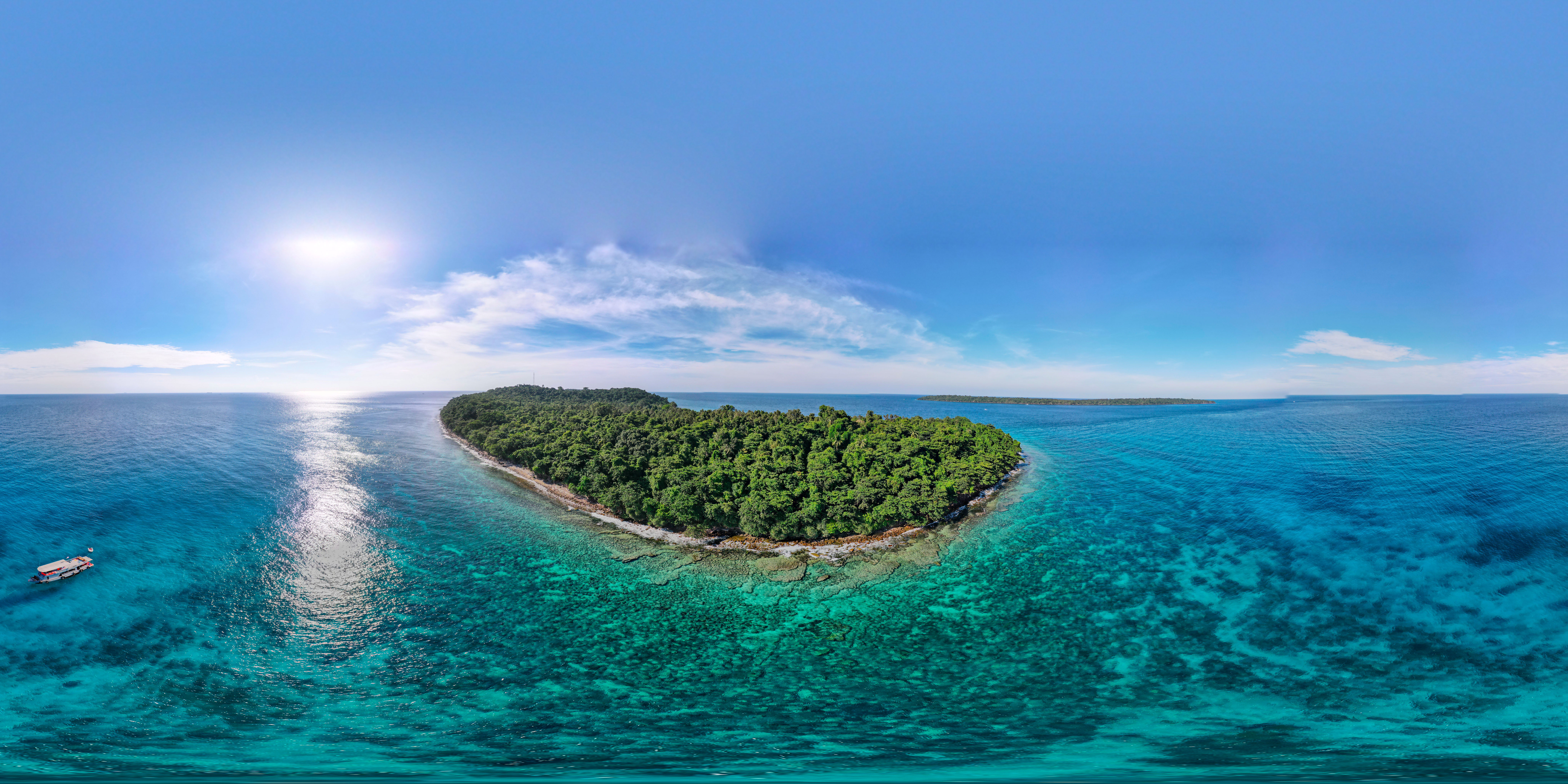
MRPO presents marine conservation through the places and people it serves: reefs that support fisheries, mangroves that protect shorelines, islands that depend on clean water, and communities whose livelihoods are tied to healthy seas.
For partners, the value is not only visibility. It is the ability to stand behind practical action, reviewed field evidence, community participation, and a clearer public record of how conservation strengthens Cambodia's blue economy over time.
Read Field UpdatesPartnership Pathways
Partnership works best when it strengthens field work and the systems behind it.
MRPO welcomes support that can be connected to visible conservation delivery, reviewed evidence, and long-term institutional capacity.
Field Mission Support
Help deliver ghost gear recovery, reef protection, monitoring trips, conservation events, safety coordination, boat logistics, and responsible documentation.
Evidence & Learning Systems
Support the field records, mapped observations, reviewed documentation, and outcome summaries that help conservation teams learn, adapt, and report responsibly.
Community Stewardship
Strengthen education, local reporting, community coordination, youth engagement, livelihood resilience, and locally informed marine resource protection.
Institutional Capacity
Invest in the human resources, finance, communications, and governance systems that allow conservation programs to grow responsibly.
Evidence & Learning
A partner monitoring system for outcome-focused conservation.
MRPO is developing a secure reporting workspace that helps approved partners and MRPO teams document where work happens, what was observed, what was removed or restored, and what follow-up is needed. The purpose is to strengthen learning, coordination, and credible reporting while protecting sensitive field information.
Clear participation
Partners can contribute field observations and mission records through guided forms, while MRPO keeps review, quality control, and sensitive data management in one place.
Stronger spatial evidence
Mapped records help show where threats, recovery work, habitat observations, and community priorities appear across connected coastal waters.
Better follow-up
Different report paths can capture the right level of detail, from rapid location markers to ghost gear recovery notes, photos, and post-mission outcomes.
Private Sector Partners
Visible environmental leadership, grounded in real conservation work.
Companies can support MRPO through field logistics, staff engagement, equipment, responsible tourism collaboration, technical support, event partnership, or longer-term program backing connected to clear conservation activity and reporting.
Discuss Responsible SupportPublic Institutions
Practical coordination for coastal priorities.
MRPO contributes through field reporting, community coordination, event documentation, conservation education, rapid response support, and implementation partnerships aligned with Cambodia's coastal and marine priorities.
MRPO's Coastal Focus AreaPolicy Context
Public sources on Cambodia's 2029 transition.
MRPO uses this context to communicate why environmental resilience, private-sector participation, and government systems matter during Cambodia's next stage of development.
United Nations LDC Portal
Cambodia scheduled to graduate on 19 December 2029
The UN LDC Portal lists Cambodia's graduation date and notes the smooth transition process.
View UN LDC PortalUN DESA
UN General Assembly resolution and five-year preparatory period
UN DESA reports that Cambodia and Senegal are scheduled for LDC graduation in 2029 after an extended preparatory period.
View UN DESA updateUNDP Cambodia
Preparedness and potential economic and social impacts
UNDP's Cambodia analysis explains the transition context, including the gradual withdrawal of some international support measures.
View UNDP analysisResponsible Support